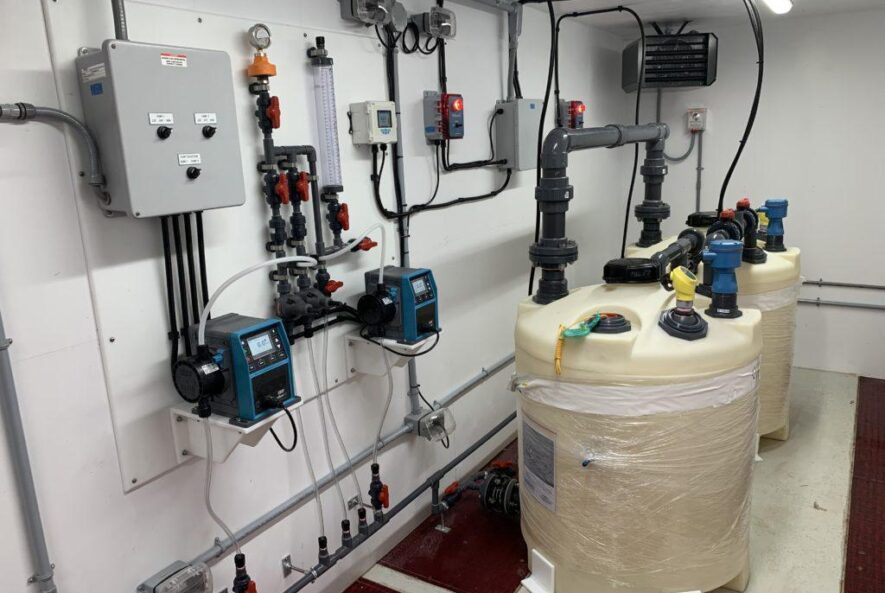
Effluent treatment plants (ETPs) use different chemicals to treat industrial wastewater before it is reused or discharged. The choice of chemical depends on the contaminants present in the water and the treatment result required.
Sodium metabisulfite is used in selected wastewater treatment processes, particularly for removing residual chlorine and supporting certain chemical reduction reactions. Its suitability depends on the wastewater composition, operating conditions, and treatment objective.
For Indian factories and ETP operators sourcing this chemical, selecting a supplier involves more than comparing prices. Product specifications, safety documentation, packaging, availability, and delivery arrangements should all be checked before an order is placed.
What Is Sodium Metabisulfite?
Sodium metabisulfite is an inorganic chemical with the formula Na₂S₂O₅. It acts as a reducing agent, which means it can react with certain substances and change their chemical state.
The chemical is used in different industrial applications. In wastewater treatment, its role depends on the process and the substances that need to be treated.
For example, an effluent treatment system may use chlorine during disinfection or oxidation. If residual chlorine needs to be removed before the next treatment stage, sodium metabisulfite may be used as a dechlorinating agent.
It can also support certain chemical reduction processes under suitable conditions. However, it is not a universal treatment chemical, and it does not remove every type of contaminant from wastewater.
Why Is Sodium Metabisulfite Used in Effluent Treatment Plants?
The application of sodium metabisulfite depends on the treatment requirements of the plant. Two uses are particularly relevant to industrial wastewater management.
1. Removal of Residual Chlorine
Some industrial treatment systems use chlorine for disinfection or oxidation. After this stage, the remaining chlorine may need to be neutralised before water moves to another treatment process or is prepared for discharge or reuse.
Sodium metabisulfite can react with residual chlorine and help reduce its concentration.
The quantity required depends on the initial chlorine level, wastewater conditions, and the required treatment result. Operators should measure the residual chlorine and establish a suitable dosing procedure.
Adding more chemical than necessary is not a good substitute for testing. Excess sodium metabisulfite can affect water chemistry and increase oxygen demand.
2. Supporting Certain Chemical Reduction Processes
Some industrial effluents contain contaminants that require a reduction reaction before further treatment. Sodium metabisulfite may be used in selected processes to reduce hexavalent chromium, Cr(VI), to trivalent chromium, Cr(III).
This process requires suitable operating conditions, including control of pH, dosage, and mixing. The resulting chromium may then need to be removed through a separate treatment stage, such as precipitation and solid-liquid separation.
The distinction is important: reducing a contaminant does not necessarily remove it from the wastewater. The complete treatment process must be designed around the contaminant and the required discharge or reuse limits.
How to Determine the Right Sodium Metabisulfite Dosage
There is no single dosage suitable for every effluent treatment plant. Wastewater from a textile unit may differ considerably from wastewater produced by a chemical manufacturer or another industrial facility.
Before deciding on a dosage, the ETP team should consider the following factors:
- Treatment objective: Establish whether the chemical is being used for dechlorination or another reduction process.
- Wastewater analysis: Measure the concentration of the substance that needs to be treated.
- Operating conditions: Check pH, temperature, mixing, and other process conditions relevant to the reaction.
- Required treatment result: Define the concentration that must be achieved after treatment.
- Verification: Test the treated water to confirm that the process is working as intended.
The plant’s process engineer or wastewater treatment specialist should establish the dosing procedure. Calculations can help estimate the initial requirement, but actual wastewater conditions may affect the quantity needed.
Routine testing also helps operators identify changes in wastewater quality and adjust chemical dosing when necessary.
What Should You Check Before Choosing a Sodium Metabisulfite Supplier in India?
Industrial buyers should evaluate the product and the supplier’s ability to meet their purchasing requirements. The following checks can help procurement teams compare options more effectively.
1. Confirm the Product Specifications
Ask the supplier for the available product specifications and technical data sheet. Review the declared composition, assay or purity, physical form, and any other parameters required by your treatment process.
Do not assume that every product sold under the same chemical name has identical specifications.
If your plant follows an approved chemical specification, share it with the supplier before requesting a quotation. This makes it easier to check whether the proposed material is suitable for the intended application.
2. Request the Safety Data Sheet
A safety data sheet provides information about chemical hazards, handling, storage, personal protective equipment, and emergency measures.
The ETP operator and plant safety team should review this document before the chemical is introduced into the facility. Staff should also understand the precautions required during preparation, transfer, and dosing.
3. Check Packaging and Storage Requirements
Ask about the available packaging options and whether they suit your storage facilities and order quantities.
Sodium metabisulfite should be protected from moisture and stored in suitable, tightly closed packaging according to the supplier’s instructions. The storage area should also meet the relevant safety and chemical compatibility requirements.
4. Discuss Quantity and Delivery Arrangements
A plant using chemicals regularly may have different requirements from a business placing an occasional order.
Before finalising the purchase, discuss:
- Required quantity and order frequency
- Available packaging options
- Product availability
- Expected delivery schedule
- Documentation supplied with the order
For recurring purchases, keeping an approved product specification on record can help the procurement team check incoming material against the agreed requirements.
5. Compare Quotations on the Same Basis
The lowest quotation may not represent the lowest overall purchasing cost. Packaging, transport, order quantity, and delivery terms can affect the final expense.
Compare quotations for products that meet the same specifications. Review the commercial terms alongside the documentation and supply arrangements before making a decision.
Storage and Handling Precautions
Sodium metabisulfite should be handled according to the product-specific safety data sheet and the plant’s chemical handling procedures.
The following precautions are worth keeping in mind:
- Store the chemical in suitable, tightly closed packaging.
- Protect it from moisture.
- Keep it away from incompatible materials.
- Follow the recommended personal protective equipment requirements.
- Train staff on chemical preparation, dosing, and spill response.
- Check chemical compatibility before mixing it with other substances.
Sodium metabisulfite can release sulphur dioxide under certain conditions, particularly when it comes into contact with acids. Avoid mixing it with acids unless the process has been specifically assessed and appropriate engineering and safety controls are in place.
Storage and handling procedures should be based on the actual product documentation, not on general assumptions about industrial chemicals.
Common Mistakes to Avoid When Purchasing ETP Chemicals
A few avoidable mistakes can lead to unsuitable product selection or problems during wastewater treatment.
Ordering before confirming the application: Establish the treatment objective before selecting a chemical. A product suitable for one process may not be suitable for another.
Using a fixed dosage for every batch: Wastewater composition can change. Dosing should follow testing and a process-specific procedure.
Ignoring technical documents: Review the product specifications and safety data sheet before approving the chemical for use.
Overlooking storage conditions: Moisture exposure and unsuitable storage may affect product condition.
Comparing prices without checking specifications: Quotations should be compared on the basis of equivalent product requirements and commercial terms.
A clear purchasing specification helps the procurement team communicate its needs and assess supplier quotations on a consistent basis.
Sodium Metabisulfite from ASA Impex
ASA Impex is a manufacturer, exporter, and supplier of industrial chemicals and pigments. Its product range includes sodium metabisulfite, sodium bisulfite, soda ash light, sodium sulphate, and Ultramarine Blue.
Businesses sourcing sodium metabisulfite for an effluent treatment plant can review the sodium metabisulfite product page for product information.
Before placing an order, confirm the available specifications, packaging, and supply arrangements directly with the supplier. It is also helpful to share the intended application so the purchasing team can compare the product information with the requirements set by its ETP operator or process engineer.
Looking for sodium metabisulfite for your industrial requirements? Contact ASA Impex to enquire about the product details and supply arrangements relevant to your business.
Frequently Asked Questions
1. What is sodium metabisulfite used for in an effluent treatment plant?
Sodium metabisulfite is used in selected wastewater treatment processes as a reducing agent. Common applications include removing residual chlorine and supporting certain chemical reduction reactions under suitable conditions.
2. Can sodium metabisulfite remove chlorine from wastewater?
Yes. Sodium metabisulfite reacts with residual chlorine and helps reduce its concentration. The required dosage depends on the measured chlorine level and should be verified through appropriate testing.
3. Can sodium metabisulfite treat heavy metals?
It can support specific reduction processes, including the conversion of hexavalent chromium to trivalent chromium under suitable conditions. Further treatment may be required to remove the resulting contaminant from the wastewater.
4. How do I choose a sodium metabisulfite supplier in India?
Check the product specifications, safety data sheet, packaging options, availability, and delivery arrangements. Confirm that the proposed product meets your plant’s requirements before placing an order.
5. How should sodium metabisulfite be stored?
Store it in suitable, tightly closed packaging, protect it from moisture, and follow the supplier’s storage and safety instructions. Keep it away from incompatible materials.
6. Is sodium metabisulfite suitable for every effluent treatment plant?
No. Its suitability depends on the wastewater composition and treatment objective. A process engineer or wastewater treatment specialist should assess whether it is appropriate for the intended application.
Choosing Sodium Metabisulfite for Your ETP
Sodium metabisulfite can support wastewater treatment when residual chlorine removal or a suitable chemical reduction reaction is required. Its performance depends on the treatment objective, wastewater conditions, dosage, and the rest of the treatment process.
For businesses looking for a sodium metabisulfite supplier in India, reviewing product specifications, safety documentation, packaging, and delivery terms is a sensible starting point.
Confirm the requirements with your treatment specialist before purchasing. A clear product specification and a properly controlled dosing procedure can help your team make a more informed procurement decision.